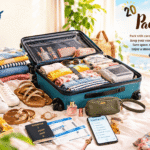
Traveling is one of the best ways to discover new destinations, experience different cultures, meet interesting people, and create unforgettable memories.Explore 35 essential travel guides with practical tips on trip planning, budgeting, safety, accommodation, sightseeing, and local experiences to make every journey memorable.
Whether you are planning a short weekend getaway, an adventurous mountain expedition, an international holiday, or a family vacation, proper preparation can make your journey more enjoyable.
Travelers need reliable information, smart planning, safety awareness, and an understanding of local customs.
Find the best travel advice with 35 essential tour guides designed to help beginners and experienced travelers plan smarter and enjoy stress-free holidays.
35 Important Tour Guides for Travelers: Essential Tips for a Safe, Smart, and Memorable Journey
To make your next adventure easier, here are 35 important tour guides for travelers covering everything from destination research and accommodation to budgeting, sightseeing, health, and responsible tourism.
1. Research Your Destination Before Traveling
Before visiting a new place, learn about its geography, popular attractions, climate, culture, and local lifestyle. Researching your destination helps you understand what to expect and avoid unnecessary confusion during your trip.
Read travel blogs, destination guides, visitor reviews, and official tourism websites to collect useful information.
2. Prepare a Realistic Travel Budget
A travel budget helps you control expenses and enjoy your holiday without unnecessary financial pressure. Calculate your expected spending on transportation, accommodation, food, sightseeing, shopping, and emergency requirements.
Always keep some additional money for unexpected situations.
3. Choose the Right Time to Visit
The right travel season can significantly influence your experience. Some destinations are best visited during winter, while others offer beautiful scenery during spring, summer, or autumn.
Check seasonal weather, festivals, tourist crowds, and local events before confirming your travel dates.
4. Book Accommodation Carefully
Your accommodation can influence the comfort and convenience of your entire journey. Compare hotels, guesthouses, resorts, hostels, and homestays according to your budget and travel requirements.
Check location, cleanliness, facilities, guest reviews, cancellation policies, and transportation access before making a reservation.
5. Understand Local Transportation
Transportation knowledge makes exploring unfamiliar destinations much easier. Find out whether local buses, trains, taxis, metro services, rental vehicles, or shared transportation are available.
Understand approximate fares and travel distances to avoid unnecessary expenses.
6. Keep Your Important Travel Documents Safe
Passports, identity cards, visas, tickets, hotel confirmations, and travel insurance documents are essential for many journeys.
Keep physical and digital copies of important documents. Store digital copies securely so you can access them if the originals become unavailable.
7. Learn Basic Local Language Expressions
Learning a few common words in the local language can make communication easier and help you connect with residents.
Start with greetings, thank-you expressions, directions, food-related words, and emergency phrases. Even a small effort can create a positive impression.
8. Respect Local Culture and Traditions
Every destination has its own customs, traditions, and social expectations. Understand local etiquette before visiting religious places, traditional communities, or cultural landmarks.
Dress appropriately, behave respectfully, and avoid actions that may offend local residents.
9. Pack According to Your Destination
Avoid carrying unnecessary luggage. Prepare your packing list according to the weather, trip duration, activities, and accommodation facilities.
Comfortable clothing, footwear, toiletries, chargers, medicines, and essential travel accessories should be included.
10. Purchase Suitable Travel Insurance
Travel insurance can provide financial protection against certain unexpected situations, depending on the policy.
Look for coverage related to medical emergencies, trip cancellations, lost baggage, travel delays, and adventure activities when relevant. Always read exclusions and conditions carefully.
11. Keep Emergency Contact Information
Save important contact numbers before starting your journey. These may include family members, accommodation providers, local emergency services, your travel insurer, and relevant embassy contacts.
Keep emergency information accessible even when your phone has no internet connection.
12. Follow Local Health and Safety Advice
Your health should remain a priority throughout your holiday. Check whether your destination has specific vaccination, food safety, drinking water, or health recommendations.
Carry necessary personal medication and follow advice from qualified healthcare professionals.
13. Explore Famous Tourist Attractions
Every destination has attractions that make it special. These may include historic monuments, museums, beaches, mountains, national parks, temples, waterfalls, and cultural landmarks.
Research opening hours, entrance fees, visitor restrictions, and advance booking requirements.
14. Discover Hidden Tourist Attractions
Popular landmarks are not the only places worth visiting. Small villages, local markets, scenic viewpoints, quiet beaches, traditional neighborhoods, and lesser-known natural attractions can offer wonderful experiences.
Ask reliable local guides about places that are suitable for visitors.
15. Try Authentic Local Food
Food is an important part of discovering a new culture. Explore regional dishes, traditional restaurants, street food markets, and local specialties.
Choose hygienic food vendors and consider any dietary restrictions or allergies before trying unfamiliar dishes.
16. Keep Your Belongings Secure
Tourists should remain alert in crowded markets, transport stations, festivals, and busy sightseeing areas.
Use secure bags, avoid displaying expensive belongings unnecessarily, and keep your passport and money in safe locations.
17. Use Reliable Navigation Applications
Digital maps and navigation tools can help you find attractions, restaurants, accommodation, and transportation routes.
Download offline maps before traveling to destinations where mobile internet access may be limited.
18. Check Weather Conditions Regularly
Weather can affect transportation, outdoor activities, sightseeing, and travel safety.
Check forecasts before hiking, boating, visiting beaches, or exploring mountain regions. Carry suitable clothing and change plans when conditions become unsafe.
19. Plan Your Daily Travel Itinerary
A well-organized itinerary helps you use your holiday time effectively.
Group nearby attractions together, allow sufficient travel time, and avoid scheduling too many activities in one day. Leave room for spontaneous discoveries and relaxation.
20. Choose Qualified Local Tour Guides
A knowledgeable local tour guide can provide valuable information about history, culture, architecture, traditions, and local attractions.
Before hiring a guide, check their experience, reviews, communication skills, qualifications where applicable, and service charges.
21. Understand Visa and Entry Requirements
International travelers should check passport validity, visa requirements, entry regulations, transit conditions, and customs restrictions before departure.
Use official government immigration and embassy websites for the latest information.
22. Keep Digital Devices Fully Charged
Smartphones, cameras, tablets, and other electronic devices are useful travel companions.
Carry suitable charging equipment, a compatible power adapter, and a power bank where permitted. Check airline rules regarding batteries before flying.
23. Understand Local Currency and Payment Methods
Research the currency used at your destination and understand available payment methods.
Keep a small amount of local cash for markets, transport, and smaller businesses. Use secure payment methods and check applicable foreign transaction charges.
24. Be Careful When Booking Online Tours
Online tour packages can save time, but travelers should compare providers before paying.
Check what the package includes, cancellation conditions, transportation arrangements, entrance fees, meals, and customer reviews. Avoid making payments through suspicious websites.
25. Follow Rules at Religious and Historical Places
Religious institutions and historical monuments often have specific visitor guidelines.
Photography restrictions, clothing requirements, footwear rules, and permitted visiting hours may differ between locations. Follow instructions displayed at the site.
26. Prepare for Adventure Activities
Adventure tourism can include trekking, camping, rafting, scuba diving, skiing, mountain biking, and paragliding.
Choose experienced operators, use appropriate equipment, check safety standards, and understand your physical limitations before participating.
27. Travel Responsibly and Protect Nature
Responsible tourism helps preserve natural environments and cultural heritage.
Avoid littering, respect wildlife, reduce plastic consumption, stay on designated trails, and support businesses that follow sustainable tourism practices.
28. Take Memorable Travel Photographs
Photography helps preserve the special moments of your journey.
Capture landscapes, architecture, local food, cultural experiences, and memorable activities. Always respect people’s privacy and ask permission before photographing individuals when appropriate.
29. Understand Local Shopping Practices
Local markets and traditional shops offer opportunities to purchase handmade crafts, souvenirs, clothing, and regional products.
Compare prices, check product quality, and understand local bargaining customs. Avoid purchasing products made from protected wildlife or illegal materials.
30. Keep Flexible Travel Plans
Unexpected delays, weather changes, transportation problems, and attraction closures can affect travel arrangements.
Avoid making every activity dependent on a strict timetable. Keep alternative options available so your holiday can continue smoothly.
31. Stay Connected With Family and Friends
Inform someone you trust about your travel plans, accommodation details, and major itinerary changes.
Maintain regular communication, particularly when traveling alone or visiting remote destinations.
32. Learn Basic Road and Traffic Rules
Road regulations can vary significantly between countries and regions.
Understand local driving requirements, pedestrian rules, helmet regulations, speed limits, and parking restrictions before renting or operating a vehicle.
33. Choose Family-Friendly Activities When Traveling With Children
Family vacations require additional planning. Select activities suitable for children’s ages, interests, and physical abilities.
Look for family-friendly accommodation, convenient transportation, accessible facilities, and appropriate meal options. Carry essential child-care supplies.
34. Prepare for Solo Travel
Solo travel offers independence and opportunities for personal discovery. However, it requires thoughtful preparation.
Research safe neighborhoods, choose reputable accommodation, share your itinerary with trusted contacts, and avoid unfamiliar locations when safety conditions are uncertain.
35. Review Your Travel Experience After Returning
Your travel experience can become a useful resource for future journeys and other travelers.
Write honest reviews, organize photographs, record important expenses, and note helpful information about accommodation, transportation, attractions, and tour services.
Sharing genuine experiences can help other visitors make better travel decisions.
Make Every Journey Worth Remembering
A successful holiday is not simply about visiting famous destinations. It is about experiencing different cultures, discovering beautiful places, meeting people, learning new things, and enjoying every moment of the journey.
These 35 important travel guides for travelers provide a practical starting point for planning safer, more comfortable, and more rewarding adventures.
Whether you are a first-time traveler, an experienced explorer, a solo tourist, or someone planning a family vacation, preparation and responsible travel habits can make a meaningful difference.
Explore wisely, respect every destination, travel responsibly, and create memories that last a lifetime.
Traveling opens up the world, allowing you to explore new places, cultures, and experiences. However, to make the most of your journey, smart planning is key.
Whether you’re embarking on a weekend getaway or a long-term adventure, a well-organized trip ensures a smooth, enjoyable experience.
The Ultimate Travel Planning Guide: Expert Tips for a Stress-Free Adventure
In this comprehensive travel planning guide, we will walk you through the essential steps, from choosing the right destination to packing efficiently, making your trip stress-free and memorable.
1. Define Your Travel Goals
Before anything else, ask yourself what you want from this trip. Your goals will help shape your entire journey, so it’s important to clarify them upfront.
Some important travel goals could be:
- Relaxation: A beach resort, spa retreat, or countryside escape.
- Adventure: Hiking, backpacking, or exploring rugged terrains.
- Cultural immersion: Visiting historical sites, museums, or local festivals.
- Family fun: Planning a trip with activities that appeal to all ages.
- Solo travel: Discovering new places at your own pace.
Your goals will influence your destination, budget, and itinerary.
2. Choosing the Right Destination
Now that you know the purpose of your trip, it’s time to choose a destination that matches your travel goals. Research is key.
Things to consider when selecting a destination:
Weather and best time to visit: Make sure the weather aligns with your trip’s purpose. For example, winter holidays are perfect for snow-covered regions, while tropical islands are best visited during the dry season.
Budget: Some destinations are more expensive than others. Factor in flights, accommodation, food, and activities when setting your budget.
Safety: Check the safety status of your destination, especially if you are traveling solo or to an unfamiliar place.
Travel Restrictions: Make sure there are no travel restrictions due to health issues, political instability, or natural disasters.
By narrowing down your options based on these criteria, you can choose a place that provides the best experience for you.
3. Create a Realistic Budget
Creating a budget is an essential part of travel planning. A clear budget helps ensure you don’t overspend or miss out on important experiences.
Key elements of a travel budget:
- Transportation: Include flights, buses, trains, taxis, or car rentals.
- Accommodation: Depending on your preferences, this can range from budget hostels to luxury hotels.
- Meals: Estimate daily food costs, including street food, restaurants, or self-catering if you’re staying in a hotel.
- Activities & Sightseeing: Include fees for museums, national parks, tours, and experiences like boat rides or cooking classes.
- Miscellaneous: Include souvenirs, tips, and emergency funds.
Best Pro Tip: Always add 7-20% more to your budget for unexpected costs. This gives you a cushion in case of any changes or emergencies.
4. Organize Your Itinerary
A well-structured itinerary helps you maximize your time while avoiding burnout. However, avoid overloading your schedule.
Key points for creating a solid itinerary:
Must-See Sights: Prioritize the places you absolutely want to visit. These might include historical landmarks, scenic viewpoints, or popular attractions.
Nearby Activities: Group activities and attractions that are near each other to save time. For example, if you’re visiting a city, plan a walking tour so you can see multiple places in one go.
Rest Days: Include a few breaks or flexible days where you can explore freely or relax. Over-scheduling can lead to exhaustion.
Backup Options: Have a few alternative activities in case something unexpected comes up, like bad weather or closed sites.
Your itinerary should give you the flexibility to adapt to your surroundings while still ensuring that you don’t miss out on the highlights.
5. Book Transportation and Accommodation Early
Booking your transportation and accommodation in advance not only saves money but also secures peace of mind.
Tips for booking:
Flights: Book well in advance to avoid higher last-minute fares.
Trains or Buses: If you’re traveling within a country, research train or bus options early, especially for popular routes that may sell out.
Accommodation: Look for stays that offer easy access to the places you want to visit. Use trusted booking platforms like Booking.com, Airbnb, or Expedia. Consider both location and guest reviews when making your decision.
6. Packing Smart: Travel Light, Travel Right
Packing efficiently is one of the most important aspects of travel planning. The lighter you pack, the easier it is to navigate airports, buses, and public transport.
Tips for packing:
Clothing: Choose versatile clothes that can be mixed and matched. Stick to neutral colors and pack only what you need. Consider the weather and the activities you’ll be doing.
Toiletries: Travel-sized toiletries are a must. Instead of carrying full-sized bottles, choose smaller options or refillable travel containers.
Electronics: A portable charger is essential, along with the correct adapters for your destination.
Documents: Don’t forget important documents like your passport, tickets, insurance details, and any necessary visas.
Carry-on Essentials: Keep a small bag with your most important items (documents, medications, toiletries) so you have them within reach during your journey.
Remember, less is more. Packing light reduces stress, especially when moving between cities or countries.
7. Protect Your Health and Safety Ensure you are prepared for any unforeseen circumstances
Pre-trip health tips:
Travel Insurance: Always purchase travel insurance that covers medical emergencies, cancellations, and trip interruptions.
Medications: Carry any necessary prescription medications, and keep them in their original packaging. It’s also a good idea to pack basic first-aid supplies like band-aids, pain relievers, and allergy medicine.
Emergency Info: Have local emergency numbers and your embassy’s contact details saved on your phone.
8. Stay Connected While Abroad
Research your options ahead of time to make sure you have access to communication and information during your trip.
Options for staying connected:
SIM Cards/Internet Plans: Check if your mobile carrier offers affordable international plans. Alternatively, buy a local SIM card upon arrival for better rates.
Wi-Fi: Most hotels and cafes offer free Wi-Fi, but make sure you have backup plans in case you need a local connection for maps, bookings, or urgent needs.
9. Embrace the Local Culture
Respect for local traditions and customs will enrich your travel experience. Make an effort to learn about the culture and interact respectfully with locals.
How to embrace the culture:
Learn basic phrases in the local language (e.g., “hello,” “thank you,” “goodbye”).
Respect dress codes, especially in religious or traditional areas.
Try local food and delicacies. Food is a significant part of cultural immersion.
Attend local festivals or community events if available during your trip.
By embracing the local culture, you gain a richer and more rewarding travel experience.
10. Enjoy the Journey!
Finally, remember that travel is not just about ticking off items from a list — it’s about the experiences, memories, and connections you make along the way. Don’t rush through everything; allow yourself to enjoy spontaneous moments, unexpected discoveries, and the beauty of being in a new place.
Travel planning can be a lot of work, but with the right preparation, it leads to a more enjoyable, stress-free experience. Start by setting your goals, choosing the right destination, budgeting wisely, and organizing your itinerary. Make sure to book in advance, pack smart, stay safe, and embrace the culture.
So go ahead, plan your next adventure, and enjoy every moment of your journey!
Trip Guides: Your Complete Companion for Planning Memorable Travel Experiences.
How to Plan a Perfect Trip Using our Travel Guides.
Our travel guide becomes most useful when its information is converted into a practical travel plan.
Follow these steps to organise your next journey.
Step 1: Select Your Destination
Start by identifying the places you would genuinely like to visit. Consider your interests, budget, travel duration, and preferred experiences.
Step 2: Research Important Travel Information
Read destination guides to understand the attractions, weather, transportation, local customs, accommodation choices, and travel requirements.
Use current and reliable sources when checking important details.
Step 3: Prepare a Realistic Budget
Calculate your estimated expenses, including transport, accommodation, meals, sightseeing, shopping, and emergency funds.
Keep a small financial reserve for unexpected situations.
Step 4: Create Your Travel Itinerary
Arrange destinations and attractions in a logical order. Group nearby locations together to reduce unnecessary transportation and save time.
Avoid filling every hour with activities. Allow time for relaxation and unexpected discoveries.
Step 5: Arrange Transportation and Accommodation
Compare suitable transportation options and accommodation choices. Book important services in advance when necessary, particularly during popular travel periods.
Step 6: Prepare Essential Documents
Check passport validity, visa requirements, identification documents, travel insurance, reservations, and other necessary paperwork.
Step 7: Pack According to Your Destination
Choose clothing, footwear, personal items, medicines, and travel accessories according to the climate and activities planned.
Step 8: Stay Flexible
Travel plans do not always work exactly as expected. Weather changes, transportation delays, and local conditions can affect your schedule.
Keeping some flexibility allows you to enjoy the journey without unnecessary stress.
8 Vital Tour Guides for Creating a Memorable and Responsible Travel Experience
The quality of a journey is not measured only by the number of attractions visited. It is also shaped by the experiences, people, and memories collected along the way.
Try these simple suggestions to make your next trip more meaningful:
- Explore local markets and discover regional products.
- Taste traditional dishes and support local food businesses.
- Learn a few useful words in the local language.
- Respect religious places and community traditions.
- Choose responsible tour operators and accommodation providers.
- Avoid littering and minimise single-use plastic.
- Follow local rules in wildlife and protected areas.
- Take time to enjoy destinations rather than rushing between attractions.
- Support local guides and small businesses whenever possible.
Responsible travel creates a positive experience for visitors while helping protect the destinations they explore.
Make Every Journey More Meaningful with the Crucial Trip Guides
Every journey begins with curiosity and the excitement of discovering somewhere new. However, a memorable travel experience often depends on how well the journey is planned.
Our Trip and tour guides make your travel process easier by bringing together important destination information, travel recommendations, practical advice, and useful planning ideas. They help travellers explore unfamiliar places, manage their time, understand local cultures, and discover experiences that match their interests.
Whether you are planning a relaxing mountain holiday, an exciting road trip, a family vacation, an international adventure, or a cultural exploration, the right trip guide can help you make informed travel decisions.
The world offers countless places waiting to be explored. Start with a destination that inspires you, prepare thoughtfully, travel responsibly, and allow every journey to become a collection of unforgettable experiences.