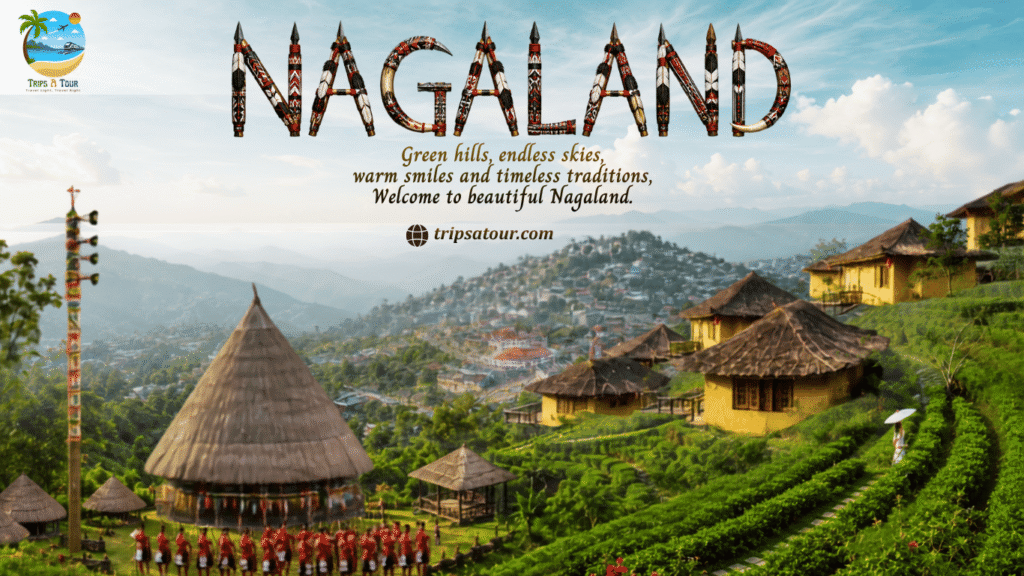
Nestled in the far northeastern corner of India, Nagaland is a land of misty hills, colorful tribes, vibrant festivals, and warm hospitality. Often called the “Land of Festivals,” this enchanting state is where culture and nature blend seamlessly.
Discovering Nagaland – The Hidden Jewel of North East India
A Nagaland tour promises more than scenic beauty – it’s a journey into traditions, spirituality, and community living that have thrived for centuries amidst lush landscapes and majestic mountains.
Nagaland, bordered by Assam, Arunachal Pradesh, Manipur, and Myanmar, is one of the most culturally diverse states in India. With 16 major tribes and several sub-tribes, each with its own dialect, customs, and attire, Nagaland is a vibrant tapestry of heritage and identity.
The state capital Kohima, along with towns like Dimapur, Mokokchung, Mon, Wokha, and Tuensang, offers glimpses into the life and traditions of the Naga people.
Unlike conventional tourist destinations, Nagaland tourism focuses on cultural immersion, adventure, and ecological balance. The state’s rolling hills, dense forests, and tranquil villages make it an ideal destination for those who seek authentic experiences rather than crowded attractions.
Top Tourist Destinations in Nagaland
1. Kohima – The Soul of Nagaland
Kohima, the capital city, is the perfect starting point for your Nagaland tour. Known for the Battle of Kohima, one of the fiercest battles of World War II, the Kohima War Cemetery is a must-visit for history enthusiasts. The city is also famous for the Hornbill Festival, a grand cultural celebration held every December, showcasing Naga music, dance, crafts, and cuisine. Don’t miss the State Museum and Catholic Cathedral, both reflecting Nagaland’s artistic and spiritual spirit.
2. Dimapur – The Gateway to Nagaland
Dimapur serves as the commercial hub and entry point to Nagaland, with its airport and railway connectivity. It houses the Kachari Ruins, remnants of a 10th-century civilization, and the bustling Hong Kong Market, a paradise for shoppers. Surrounded by scenic beauty, Dimapur also offers eco-tourism spots like Triple Falls and Green Park.
3. Mokokchung – Cultural Heartbeat of the Ao Tribe
Often referred to as the “Lively Land of the Ao Nagas,” Mokokchung is one of the most culturally rich towns in Nagaland. The Longkhum Village here offers panoramic views of the Naga Hills, while the District Museum showcases artifacts and traditional handicrafts. The hospitality of the Ao tribe adds a warm touch to every visitor’s experience.
4. Mon – Spot
Mon, located in the northern part of the state, offers a glimpse into the fascinating world of the Konyak tribe, once known as fierce headhunters. Their face tattoos, feathered headgear, and traditional ornaments make them one of the most visually distinct tribes of Nagaland. Visit Longwa Village, where the Indo-Myanmar border literally cuts through the village — one half in India, the other in Myanmar!
5. Wokha – Nature’s Paradise
Wokha is a haven for nature lovers. The lush valleys, mountain streams, and vibrant orchards make it one of the most picturesque regions of Nagaland. The Mount Tiyi and Doyang River are popular for birdwatching, especially during the Amur Falcon migration, when thousands of falcons stop here every year — a breathtaking sight for wildlife enthusiasts.
6. Tuophema Village – A Model of Eco-Tourism
Tuophema, located near Kohima, offers an authentic village tourism experience. Managed by the local community, the Tuophema Tourist Village allows travelers to stay in traditional Naga huts, taste local cuisine, and participate in folk performances. It’s an inspiring example of sustainable tourism and community empowerment.
7. Dzükou Valley – The Valley of Flowers
One of the most stunning trekking destinations in Northeast India, the Dzükou Valley, located on the border of Nagaland and Manipur, is famous for its lush green meadows and seasonal flowers, including the rare Dzükou Lily. The valley, often covered in mist, offers a sense of peace and serenity that feels almost otherworldly.
The Hornbill Festival – The Pride of Nagaland
Every December, the Hornbill Festival transforms Nagaland into a grand cultural extravaganza. Held in Kisama Heritage Village near Kohima, the festival brings together all the Naga tribes to showcase their traditions through dance, music, sports, art, and food. Known as the “Festival of Festivals,” it promotes unity and cultural preservation while attracting travelers from around the globe.
Visitors can enjoy traditional Naga wrestling, indigenous games, wood carving competitions, fashion shows, and rock concerts. The festival also features a morung (youth dormitory) display from each tribe, offering insights into their heritage and craftsmanship. For travelers interested in experiencing Nagaland’s cultural depth, planning your tour during the Hornbill Festival is a must.
Cuisine of Nagaland – A Taste of Authentic Tradition
Nagaland’s cuisine is as diverse as its tribes. Dishes are often prepared with organic ingredients, smoked meats, bamboo shoots, and local herbs. Popular delicacies include:
Smoked Pork with Bamboo Shoot
Axone (fermented soybean)
Galho (Naga-style khichdi)
Rice Beer (Zutho)
Hinkejvu (vegetable stew with mustard leaves)
For adventurous eaters, exploring Naga food is an experience in itself – a fusion of simplicity, nutrition, and bold flavors.
Culture and People of Nagaland
The Naga people are known for their strong sense of community, honesty, and vibrant artistry. Handwoven shawls, wood carvings, and bead jewelry reflect their craftsmanship and cultural pride. Music and dance play an integral role in their social life – each tribe has its own folk songs, war chants, and ceremonial dances passed down through generations.
Despite modernization, the Nagas have preserved their traditional ways of life, making the state a living museum of indigenous culture. Visitors are often struck by their warmth, hospitality, and deep respect for nature.
Best Time to Visit Nagaland
The best time to plan your Nagaland tour is between October and May, when the weather is pleasant and festivals are in full swing. The Hornbill Festival in December is the highlight of the year. Summers are mild, while winters are cool and ideal for trekking and sightseeing.
How to Reach Nagaland
By Air: The nearest airport is Dimapur Airport, connected to Guwahati, Kolkata, and Delhi.
By Train: Dimapur Railway Station links Nagaland with major Indian cities.
By Road: Well-maintained highways connect Nagaland to Assam and other Northeastern states. Private taxis and state transport buses are easily available.
Travel Tips for Nagaland
Obtain Inner Line Permit (ILP): Required for Indian tourists visiting Nagaland (available online or at government offices).
Respect Local Customs: Dress modestly and seek permission before taking photographs of people or religious sites.
Support Local Artisans: Buy local crafts and products to promote sustainable tourism.
Stay in Homestays or Community Lodges: For an authentic experience of Naga hospitality.
Pack Wisely: Carry warm clothes, especially for hilly areas and winter months.
A Nagaland tour is not just a trip — it’s an awakening of the senses and spirit. From the melodic chants echoing through misty hills to the colorful dances during the Hornbill Festival, every moment here tells a story of resilience, pride, and beauty. For travelers seeking a raw, authentic, and soulful experience, Nagaland stands as one of India’s most captivating destinations.
Discover Nagaland — where nature whispers ancient tales, and every smile tells a story of tradition, courage, and peace.